Trust in a Polarized Society
Co-producing ‘common thirds’, common causes and Safe Spaces in an Unsafe World
Across cities and communities worldwide, increasing polarization, social fragmentation, and mistrust challenge our ability to create inclusive and supportive environments. Yet trust is not something that can simply be provided by institutions or professionals. It is something we continually must co-produce through relationships, dialogue, and shared experiences.
This interactive workshop invites participants to explore how trust and safety can be created together in contexts marked by uncertainty, conflict, and social division. Through a combination of participant’s own cases, two cases from Mørck’s keynote (co-production of trust with two former gang leaders), small-group discussions, and collective reflection, participants will examine both the opportunities and dilemmas involved in fostering meaningful relationships with criminalized and marginalized populations.
Participants will be encouraged to bring their own experiences and challenges into the conversation. Together, we will explore questions such as:
- How can professionals, citizens, and communities co-create spaces for dialogue in increasingly polarized societies?
- Have you tried to co-create something meaningful – a common third or collaborate around a common cause with vulnerable and excluded people?
- What makes different positioned participants feel safe enough to participate, contribute, and belong in that kind of co-creation?
- What are the obstacles, barriers which make co-creation ‘from the margin’ difficult or maybe even impossible? What can we learn from practice-based experiences across different contexts?
The workshop is highly participatory and is designed to create opportunities for shared learning, reflection, and exchange between participants from different sectors, professions, and countries.
Learning Outcomes
Participants will:
- Gain new perspectives on trust-building in polarized societies.
- Reflect on practical challenges and ethical dilemmas related to participation and inclusion.
- Exchange experiences with colleagues from diverse contexts.
- Develop ideas and strategies for creating safer and more inclusive spaces in their own practice.
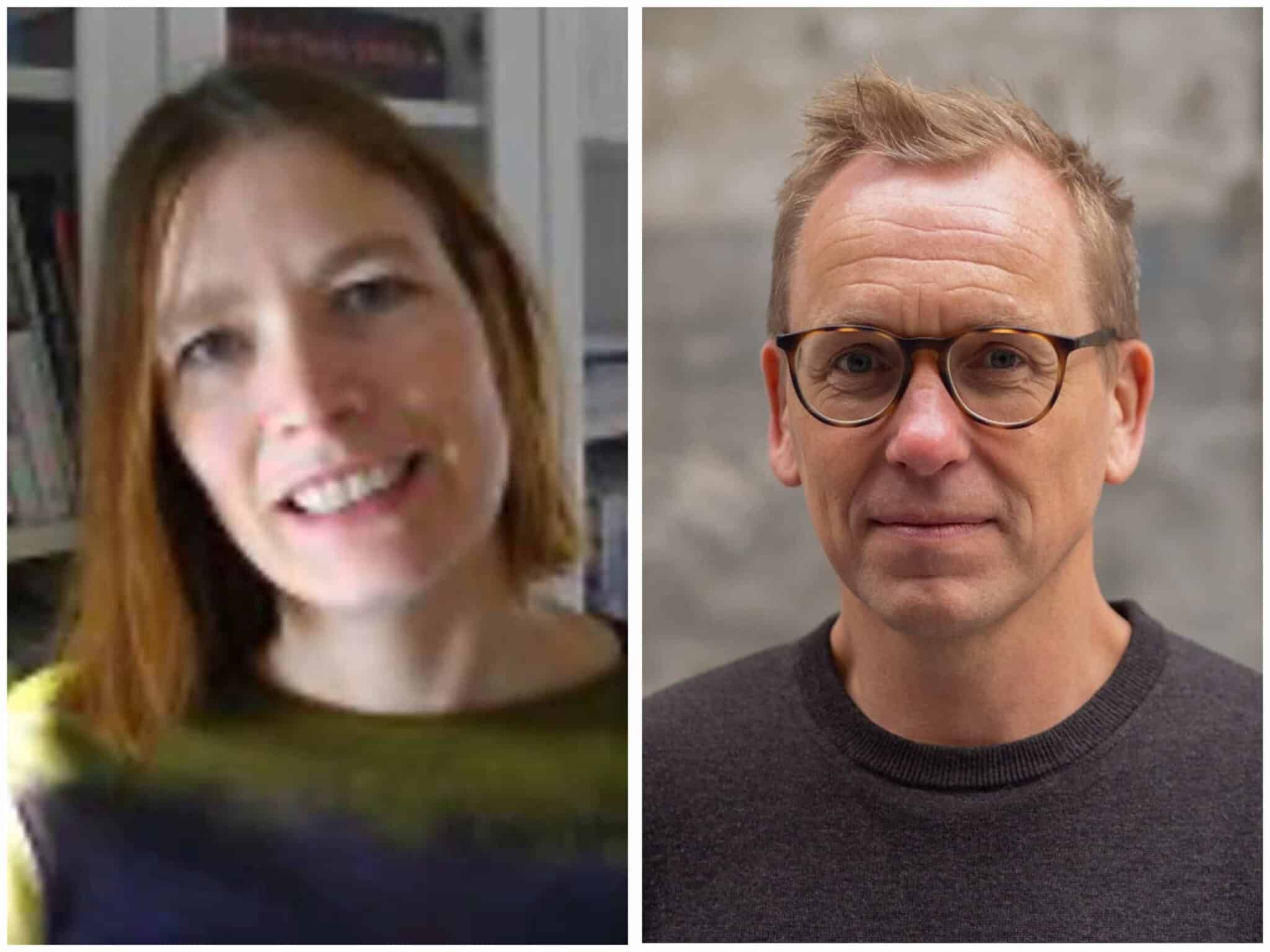
Line Lerche Mørck & Sveinung Sandberg