{{custom_field.Excerpt}}

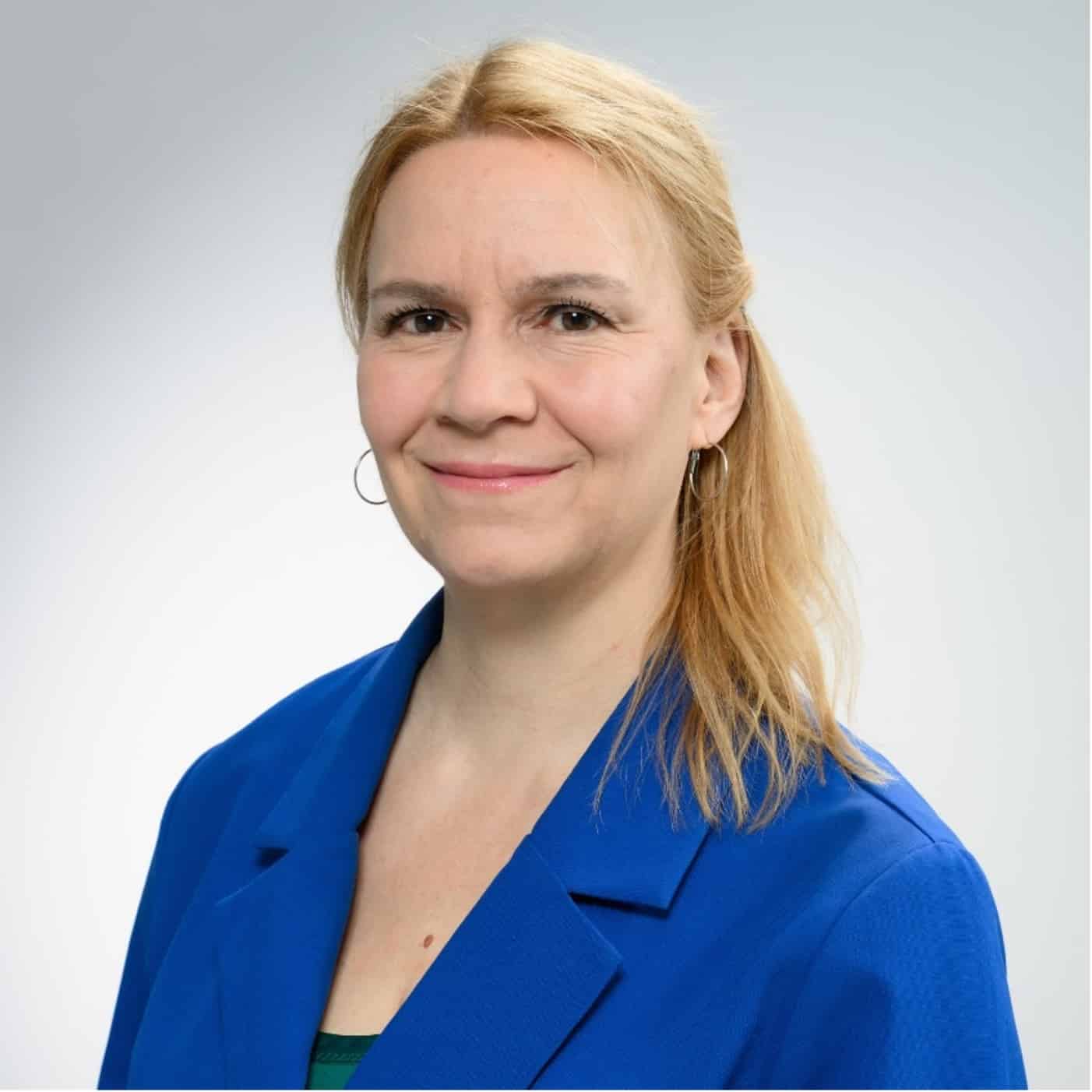
Monica Rosten

Research Professor, Norwegian Social Research (NOVA), Oslo Metropolitan University  

Tentative title of the presentation:  “Youth, (dis)trust and territorial stigma”

Research Interests:
Her research spans a wide range of topics related to youth and social inequality, including:

  • Youth culture and identity
  • Minority youth and stigma
  • Urban marginalization and territorial stigma
  • Domestic violence and social control
  • Youth crime and preventive work
  • Youth participation and co-research
  • Area-based initiatives and welfare state dynamics


She is particularly interested in the intersection of ethnicity, gender, and social class, and how these shape young people’s experiences in urban environments.

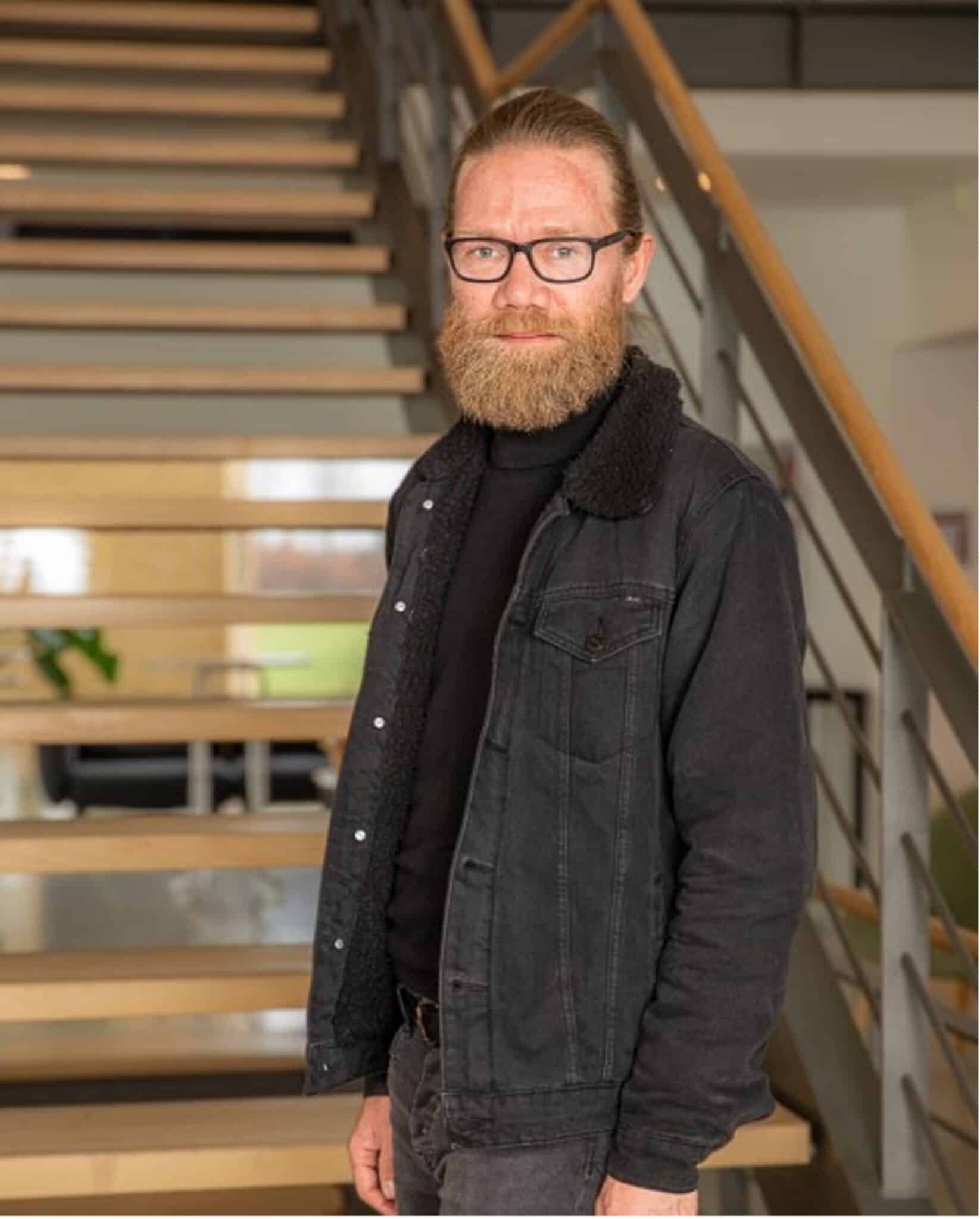
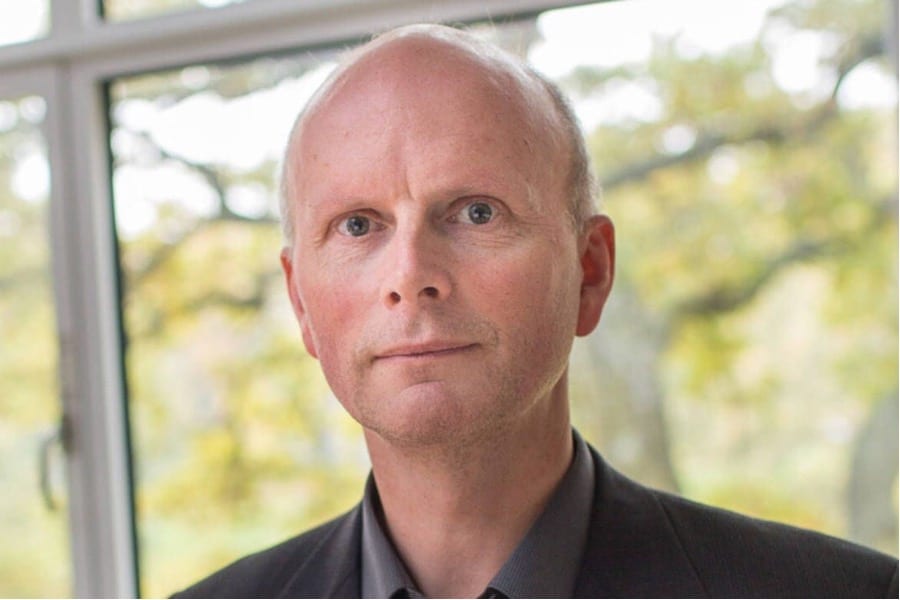
Ingar Brattbakk

Senior Researcher, Norwegian Social Research (NOVA) & Centre for Housing and Welfare Research (HOUSINGWEL), Oslo Metropolitan University 

Assistant professor II, Department of Sociology and Human Geography, University of Oslo (UiO)

Tentative title of the presentation : “City wide segregation in a Nordic context”

Research Interests:
Dr. Brattbakk combines quantitative & qualitative methods in social research focusing on:

  • Urban inequality and segregation
  • Neighbourhood effects on youth development
  • Housing policy and welfare
  • Gentrification and urban governance
  • Youth participation and trust in urban areas with disadvantaged living conditions
  • Sociocultural place analysis and participatory urban development

He has contributed significantly to understanding how urban environments shape social outcomes, particularly for children and youth in marginalized areas.


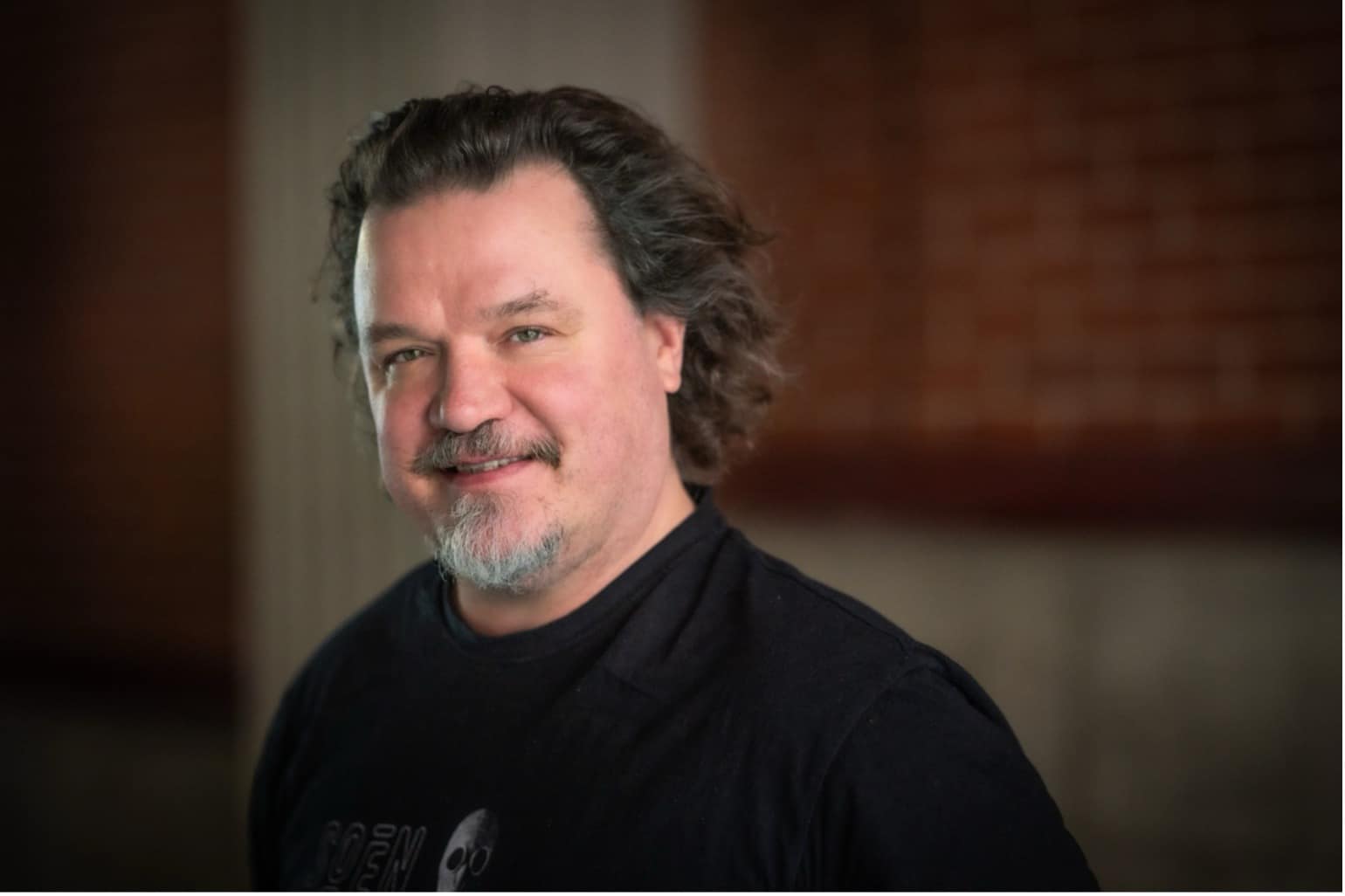
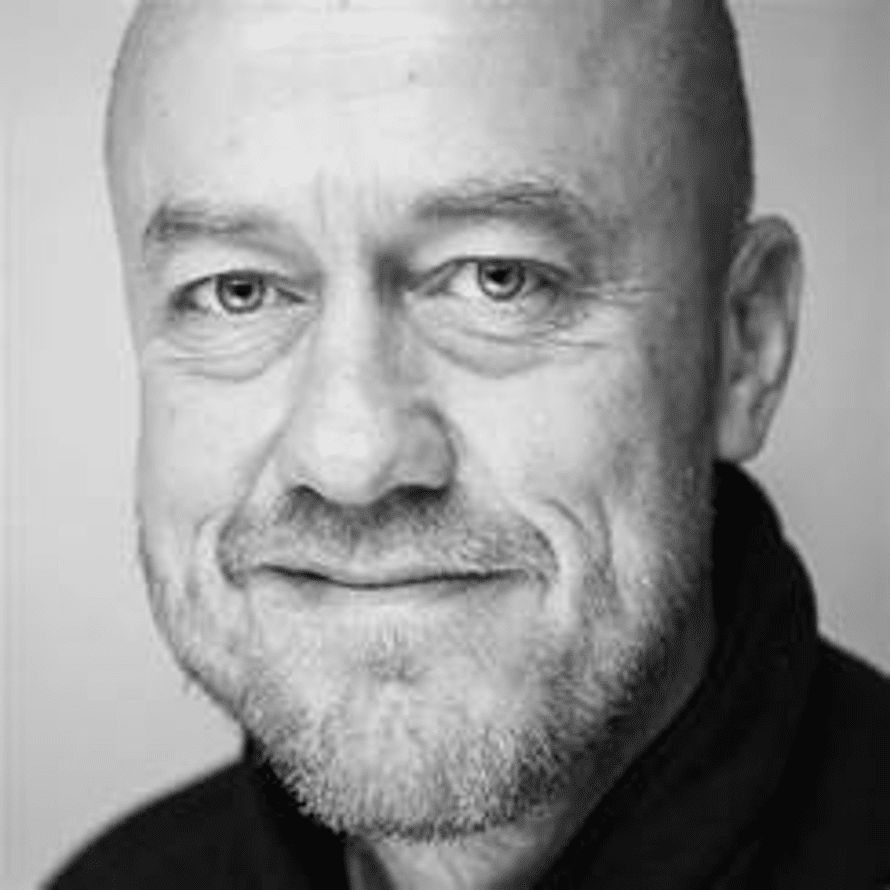
Sveinung Sandberg

“Trusting the Untrustworthy: Youth, Marginalization, Extremism and Crime”

Sveinung Sandberg is a sociologist and professor in Criminology at the University of Oslo. His research focuses on processes of marginalization, violence, masculinity, illegal drugs, radicalization and social movements. He has published several books including Street CapitalCannabis Culture, Narrative Criminology and Young Muslim Voices. Sandberg just finalized a four-year research project studying life-stories and life-courses leading to crime in seven countries in Latin America. He is currently continuing this research on four continents, including in Norway.

Line Lerche Mørck

“Crossing boundaries: Preventing polarization, radicalization and gang involvement”

Line Lerche Mørck, professor in educational psychology at Aarhus University, is known for her practice research into ways of holistic prevention, boundary communities, gang exit, and mo(ve)ments beyond radicalization and marginalization. She has written books about boundary communities and Community-building practices and articles about counter-hegemonic alternatives. She has co-authored journal articles about gang exit, forensic psychiatry and social practice ethics – with co-researchers, where two is former gang leaders. Currently she is leading two collective research projects: “Boundary Youth Work – Bridging and Community-Building in Marginalized Residential Urban Areas”, and ”Youth Pedagogical Transformative Work. How can community-building contribute to overcoming ethnic othering and discrimination?”

In the keynote professor Line Lerche Mørck present prolonged co-research with two former gang leaders struggling to move beyond forensic psychiatry and to build a meaning full life, two leaders who use to be enemies in a gang war years before we started this research collaborations. Line reflects on how you need to cross boundaries to (re)produce trust in times of increased polarization. Along the 11 and 8 year long research collaborations, she has developed new standards of social practice ethic, that prioritize ethics of care and recognition. She will discuss possibilities and dilemmas of mutuality of care relations (Løgstrup). She will also discuss ways of doing thrust and transformative research across other research collaborations with both marginalized and established parties.

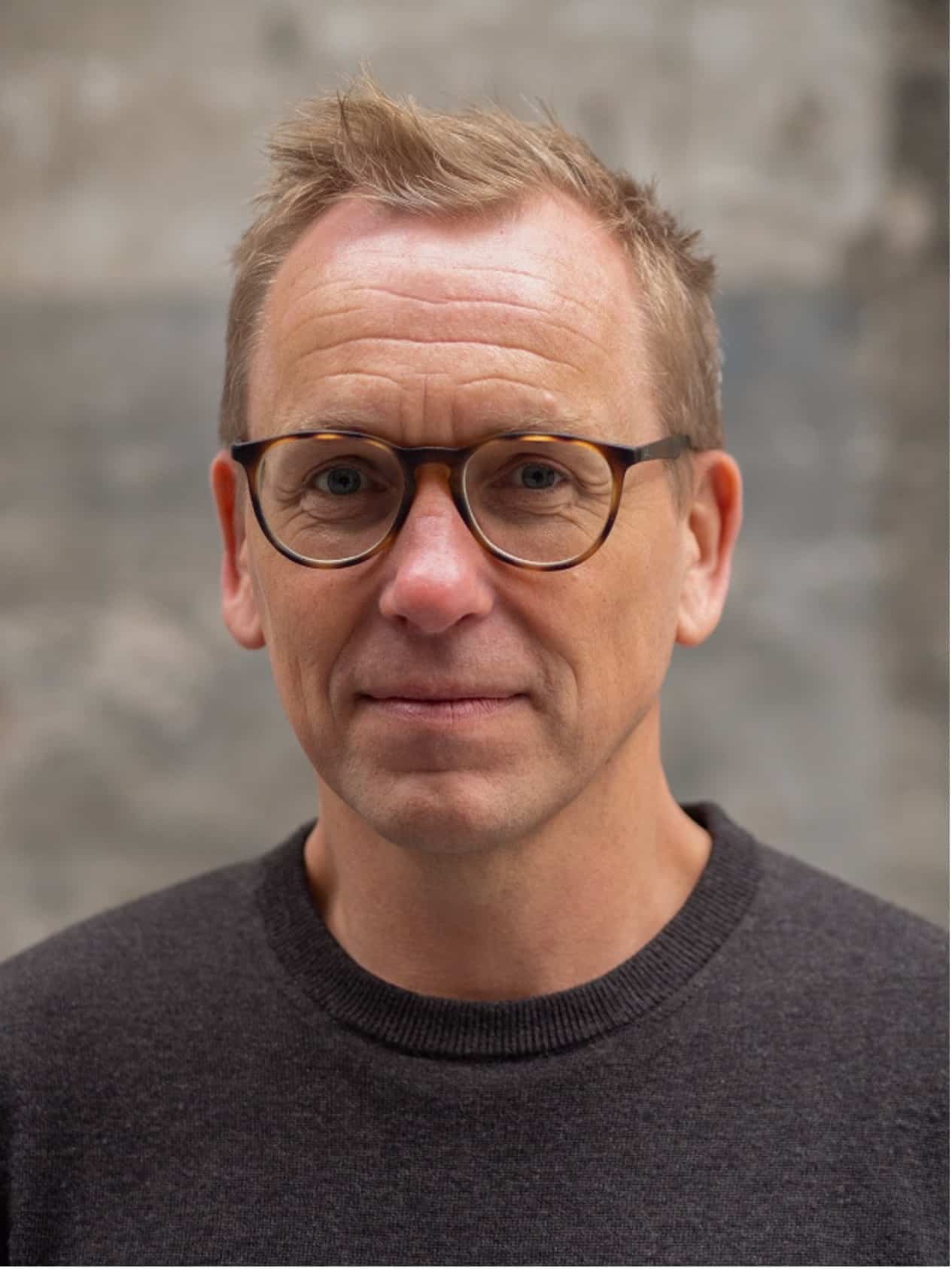
Gert Tingard Svendsen

“Trust – the Nordic X-Factor?”

Abstract:
Many people ask themselves what the real secret behind the Nordic countries is. Why are they both prosperous and among the world’s happiest nations—while institutions also function so well? That is precisely why some of the world’s leading social scientists are looking to the Nordics to understand what makes the difference—what the special X-factor might be. The answer may lie in an unexpected place: in the trust and relationships people have with one another. For the Nordic countries are, in fact, world champions in trust!

BIO:

Professor, PhD, at the Department of Political Science, Aarhus University. His main research areas are trust, social capital, and climate policy. An example of his research dissemination is the book Trust (Johns Hopkins University Press), which received a positive review in Forbes Magazine by Keld Jensen and has also been translated into Chinese. In 2016, Svendsen was appointed Knight of the Order of the Dannebrog for his pioneering research on trust, and in 2025 he received one of the Ministry of Culture’s national awards for “The Trust Society” as intangible cultural heritage, which is now being nominated for inclusion on UNESCO’s World Heritage List.

Personal website: https://pure.au.dk/portal/en/persons/gts%40ps.au.dk

Link to Trust: https://www.press.jhu.edu/books/title/23066/trust

Link to review of Trust by Keld Jensen in Forbes:

https://www.forbes.com/sites/keldjensen/2014/06/22/trust-a-fragile-but-wealth-building-commodity/